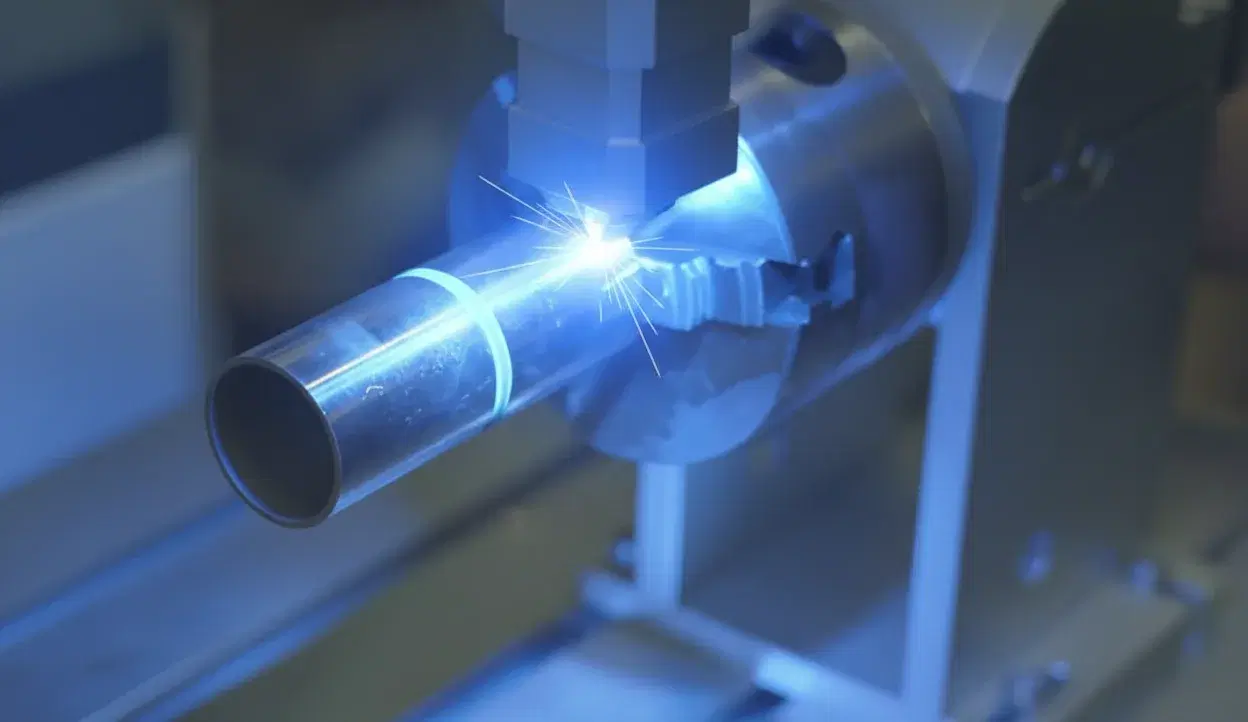

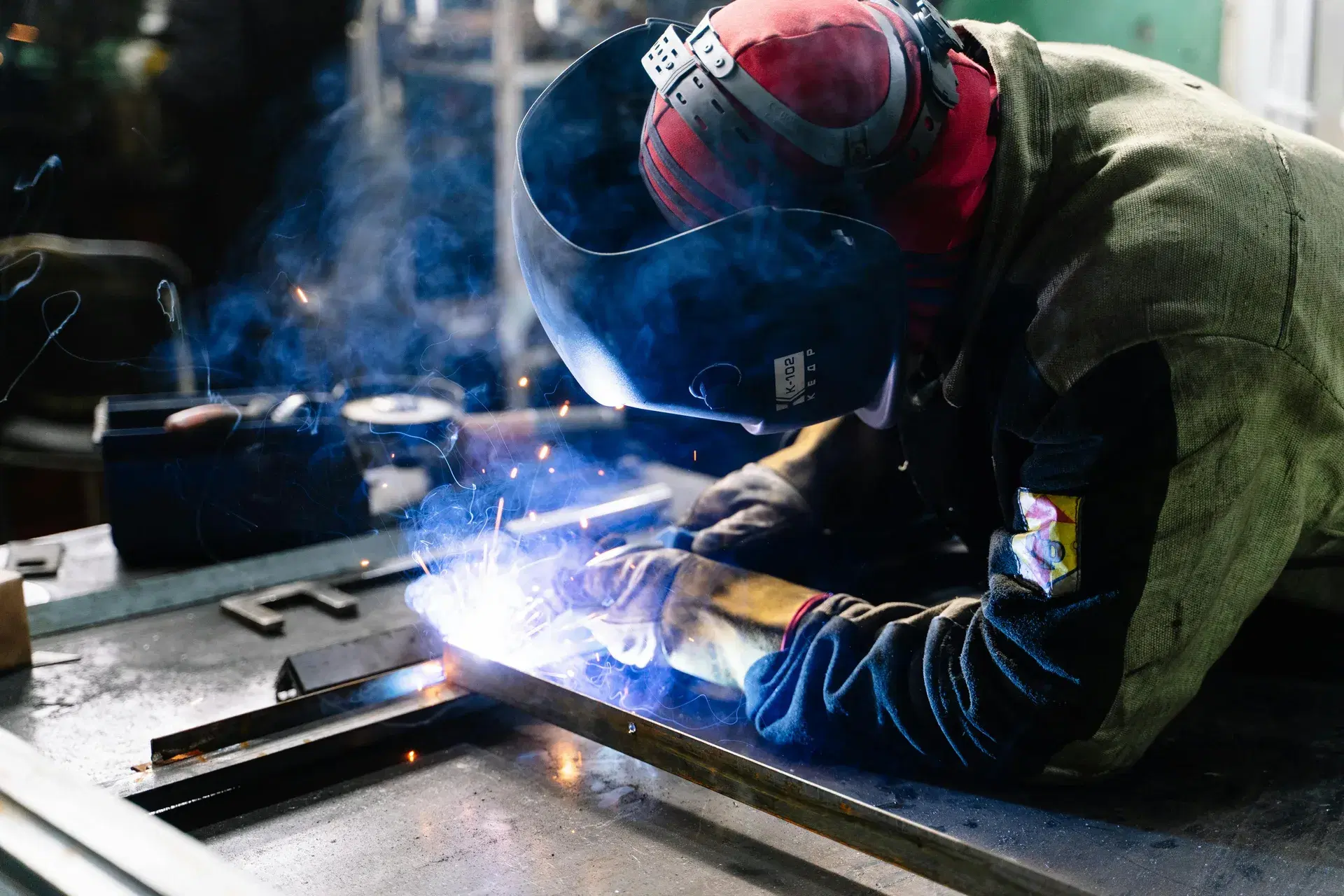
Turning
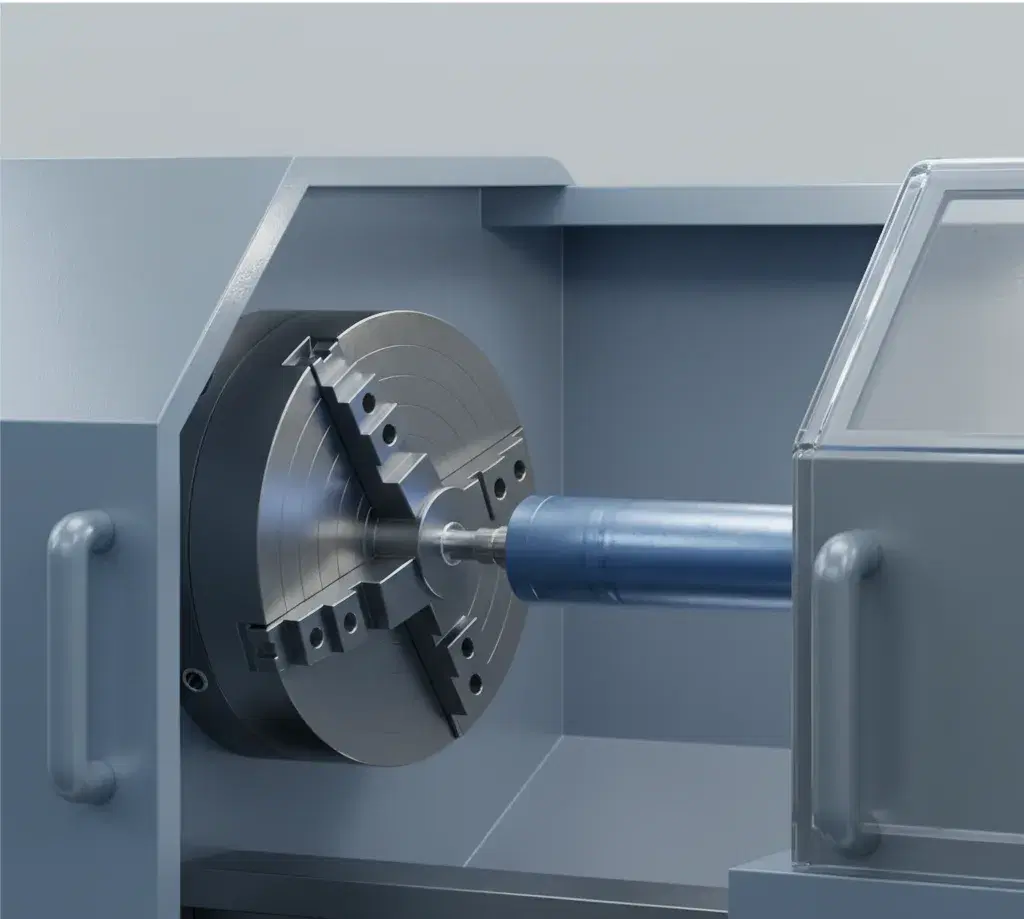
As a material removal process, turning uses different types of lathes like turret, engine, etc., to make holes, grooves, threads, and tapers. Lathe was originally manual. Nowadays, CNC (computer numerical control) machines are the most common form of lathe machines.
Drilling
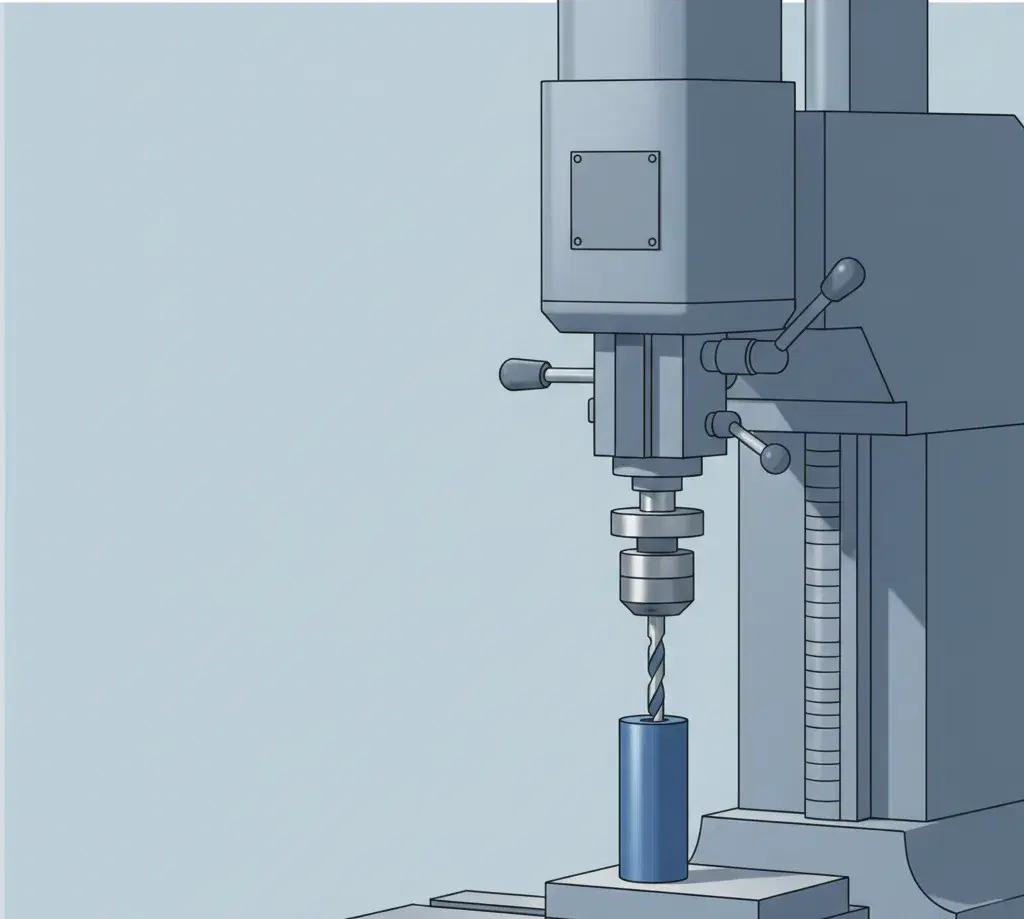
Using drill bits, drilling makes vertical or angled holes in a material by removing particles from the workpiece. There are various drill bits for different purposes such as shallow pilot holes (spotting drill), peck drilling, and chucking reamer.
End Milling
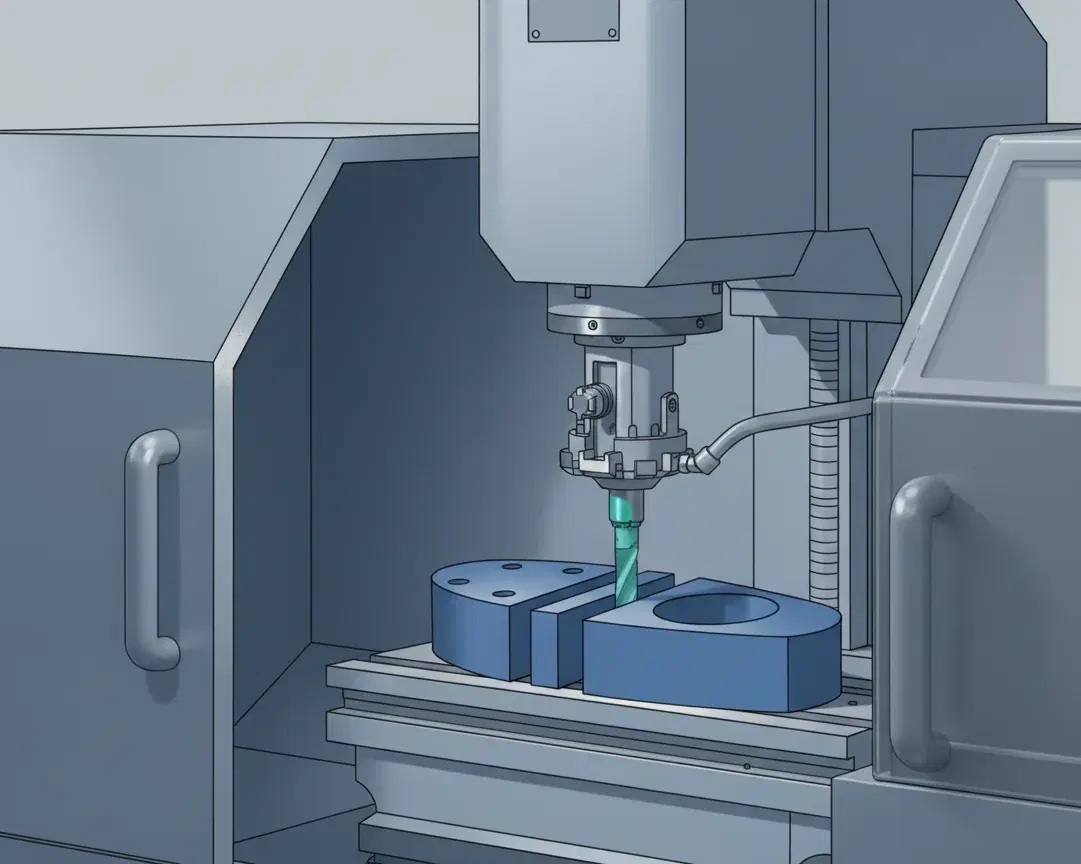
End mill machining technic removes material from the workpiece. Different types of milling include end, helical, chamfer mill, etc which can be horizontal, vertical, or with several axes. The mills are available in different shapes such as square mill which can create a square pocket in the workpiece with a flat surface finish, ball-end mill (e.g. center cutting ball end mill) to make half round pocket or pockets with rounded sides where 4 and 5 axis CNC machines come into play. Roughing end mill is another type that is used to remove excessive amount of material. Roughing end mill produces a lot of friction which like many other machining processes require some kind of coolant to reduce the temperature. Corner radius end mill is very much like square end mill while leaving a radiused corner on the tip. Corner rounding end mill is the opposite of corner radius end mill leaving a radiused corner on the outside edge. Milling machines are also available in different types such as hand mill, plain, universal, and omniversal machines.
Grinding
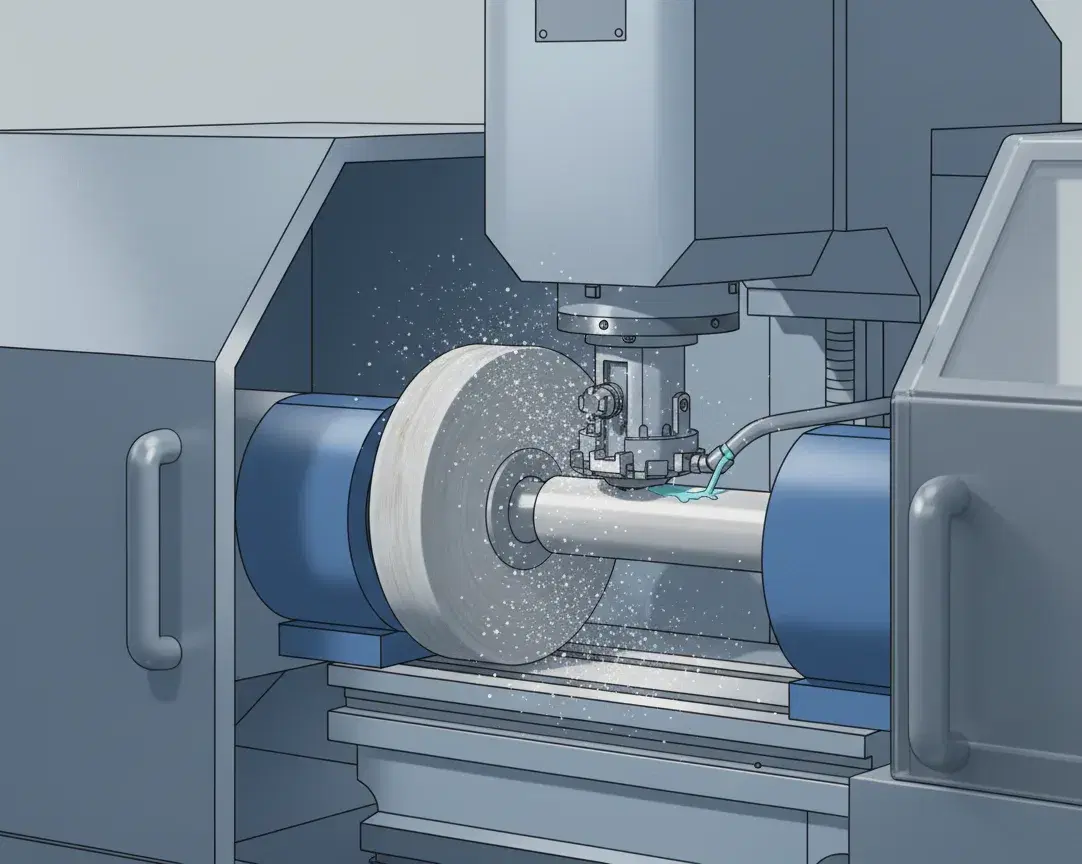
This is a process of finishing workpiece to prepare the surface for other processes like lapping, honing, and other finishing steps. Various types of grinding include cylindrical grinding for round and cylindrical parts, centerless grinding for extremely large cylindrical parts, internal grinding to make the desired internal diameter, etc.
Sawing
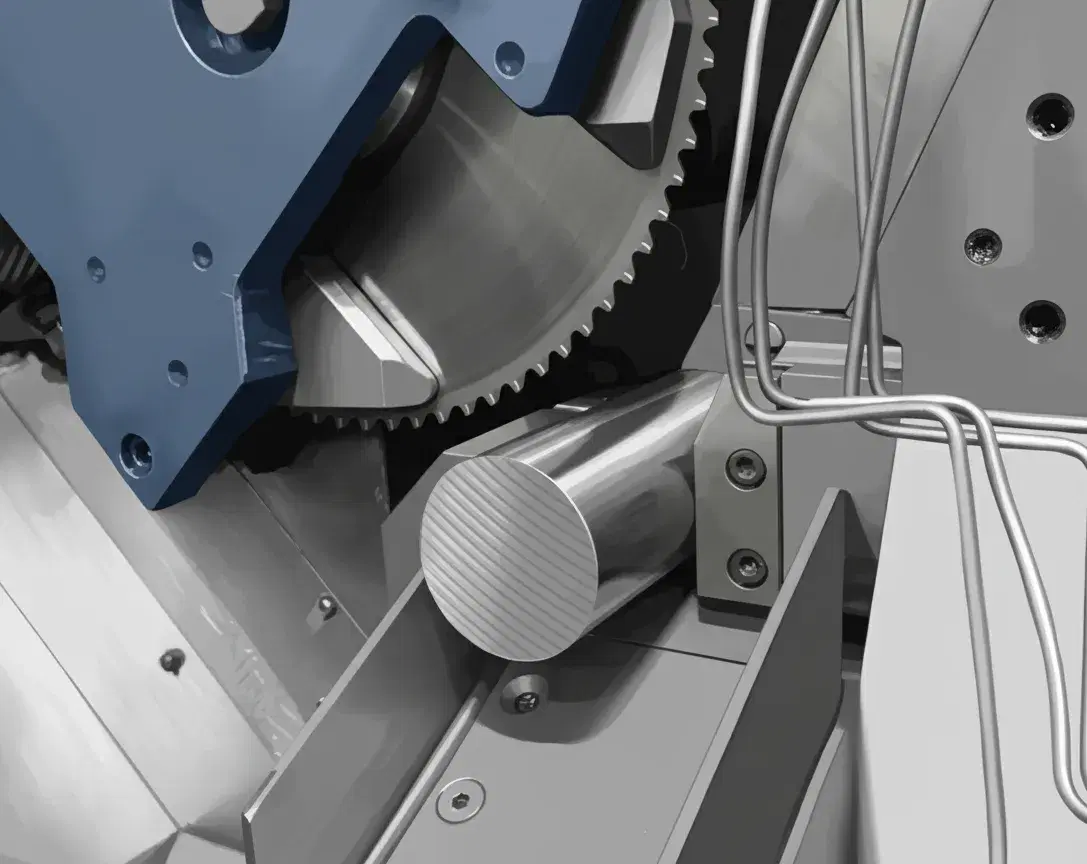
Sawing machine is simply a machine that cuts the material into shorter, different shape material. The tricky part is to know the workpiece material and adjust the speed. Most of sawing machines speeds are 30 FPM (feet per minute).
Broaching
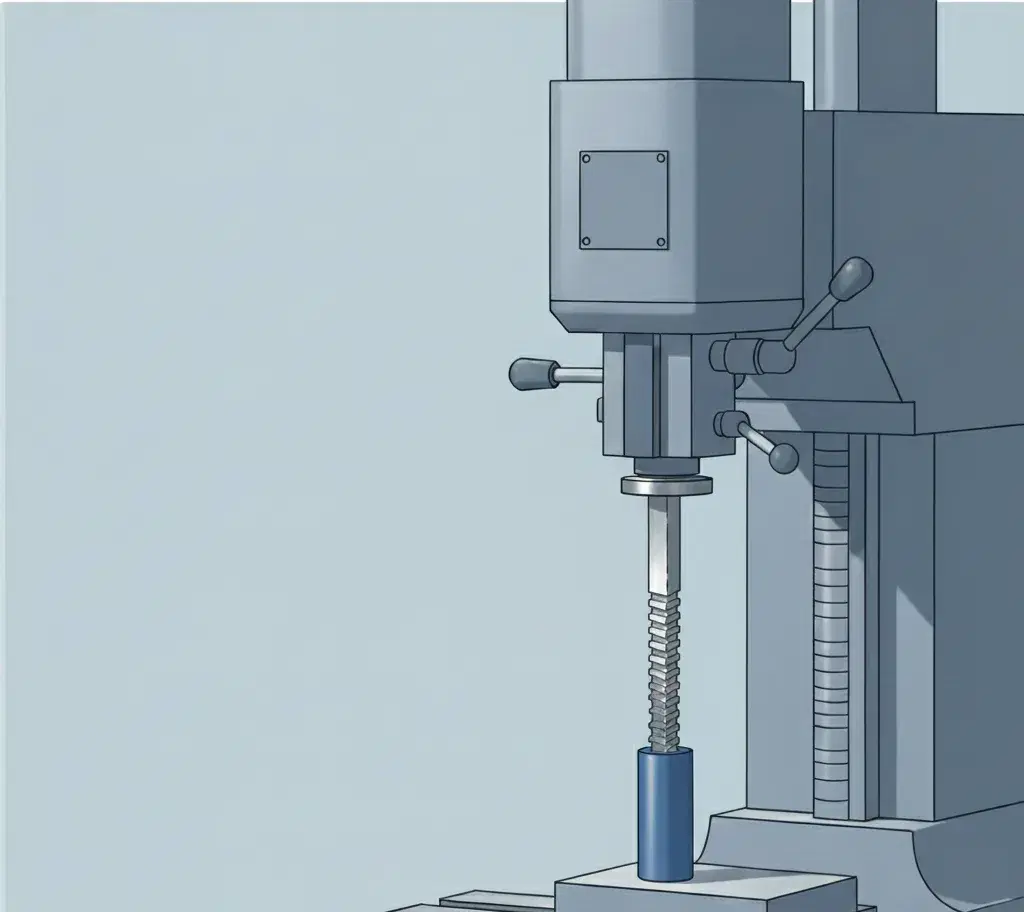
It is a machining process of in which a broach is pushed (pulled) through a length of a workpiece to create a final shape. A benefit of this process is to achieve a certain quality finish or close tolerance economically. A broach is a tool that has a series of teeth that gradually increase in diameter over the length of the broach. This process is categorized in internal broaching to produce holes, splines, and irregular shaped holes and external broaching to produce flat, concave, convex serrated, and cam-shaped products like gears and keyways.
EDM
Electric discharge machining (EDM) is a precision machining process that unlike lathe uses electric discharge to create small craters inside the surface of conductive materials to create complex geometrical shapes, or work with harder material, or designs that require close tolerance.
ECM
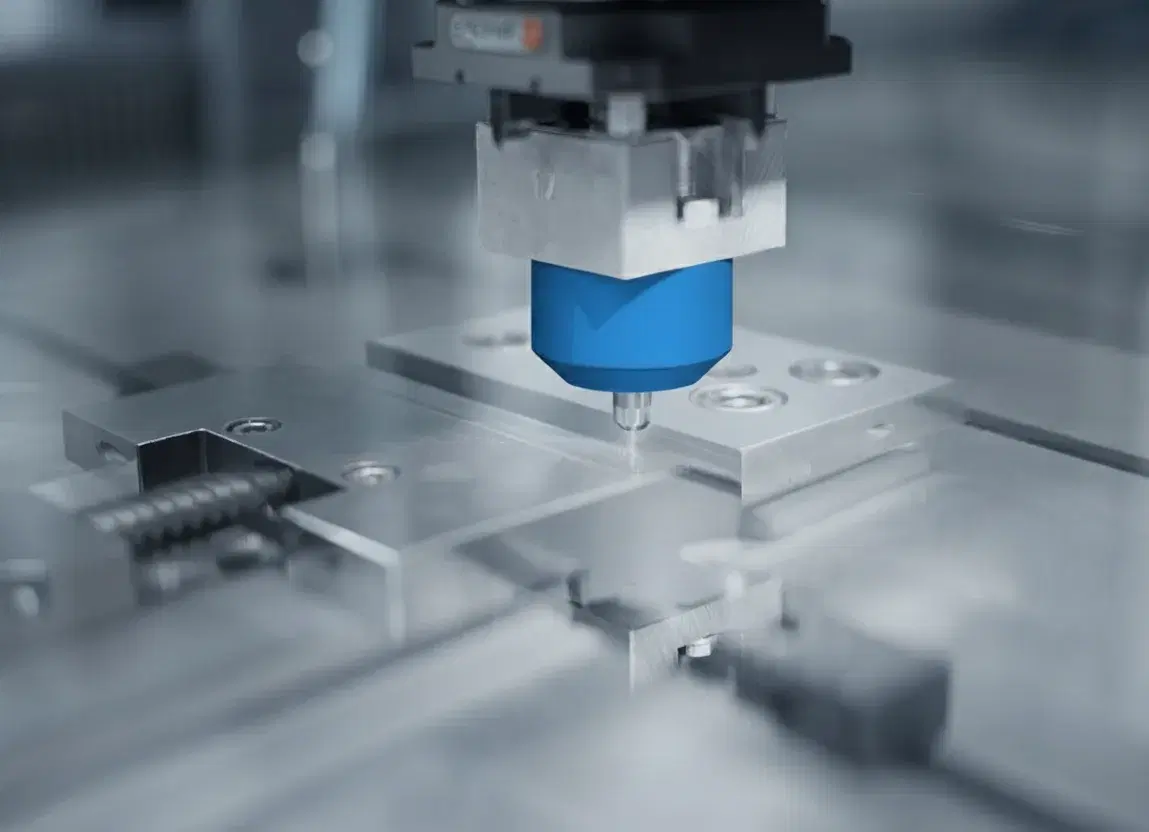
This is a machine that uses Michael Faraday’s discovery in electrochemistry. Electro chemical machining (ECM) is a contactless process in which uses the workpiece as the anode and the cutting tool as the cathode. A pressurized electrolyte is injected into the cutting area at a certain temperature and flow rate that is equal to the liquefication of the anode material. Then, a flow of electrons passes the gap between the workpiece (anode) and the cutting tool (cathode) and dissolve the surface of workpiece. This machining process is mostly used to create complex shapes, work with extremely hard materials such as titanium, or high precision finishing processes.
2D Laser CNC
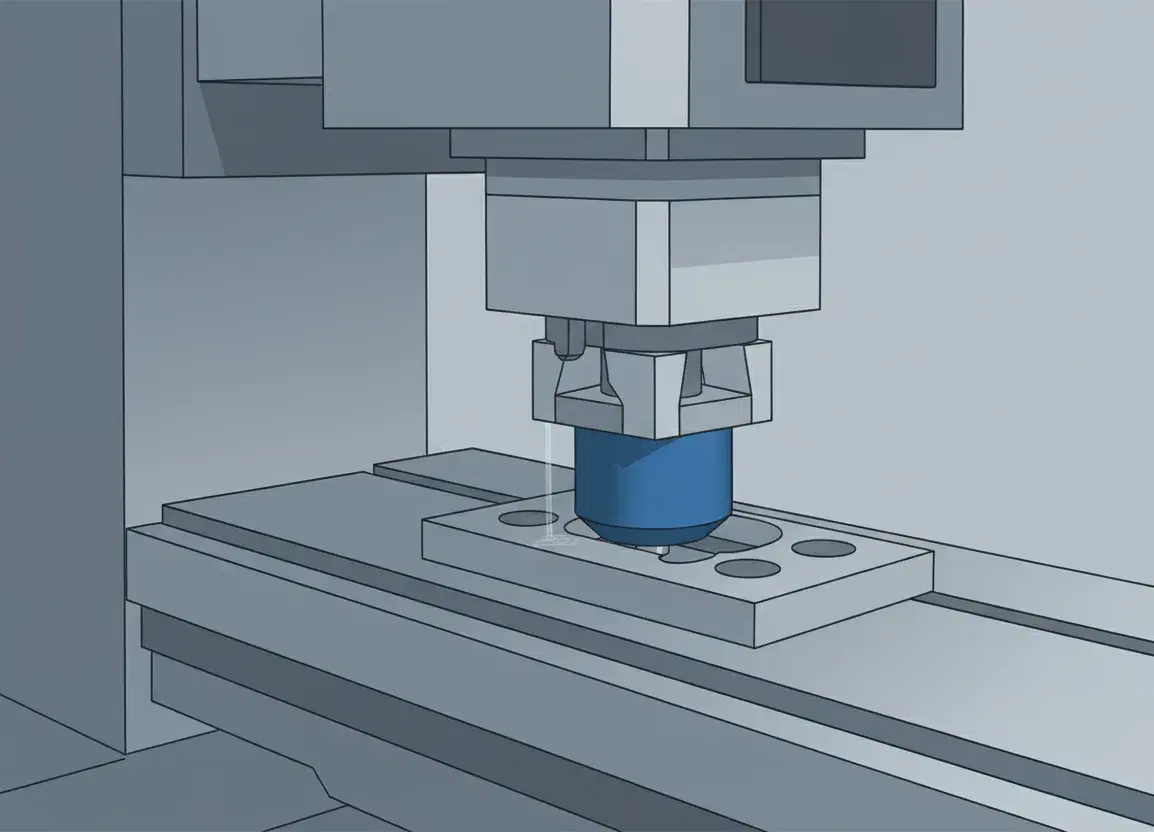
This type of cutting method uses CO2 or Fiber laser source to cut flat sheet of matrials with varying thicknesses. It is also used to engrave signs and nameplates. As the name suggests, 2D laser machines can move in X and Y direction only. Normally they use 2D softwares like SolidWorks, CorelDraw, or Autocad, etc.
3D Laser CNC
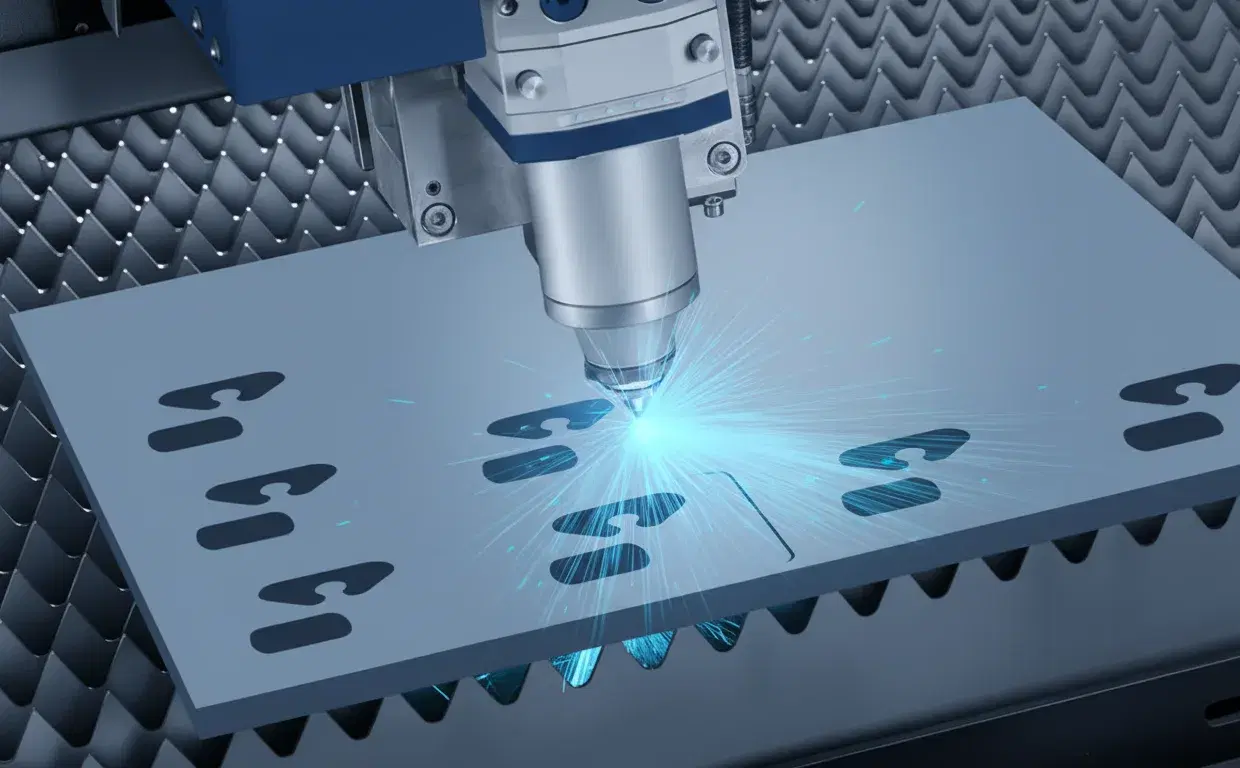
3D laser machines can move in Z-axis too to cut, engrave, and carve more complex shapes. The softwares to design such workpieces include SolidWorks, CorelDraw, Autocad, Rhino, etc. However, 3D laser CNC machine are usually more expensive.
CO2 Laser
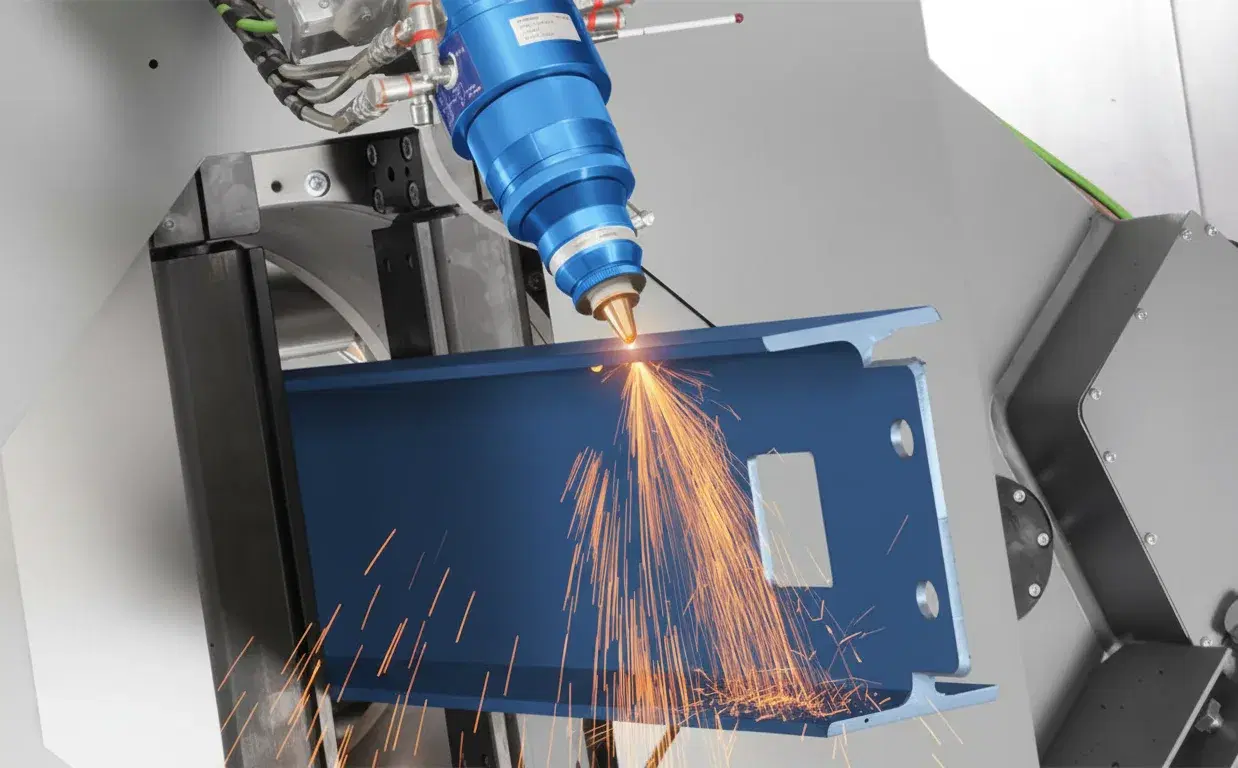
Carbon Dioxide laser is one of the earliest lasers developed for medical purposes. Because of the high power and economical cost, CO2 lasers are extensively used in manufacturing industry for cutting different material such as metals in various thicknesses and welding.
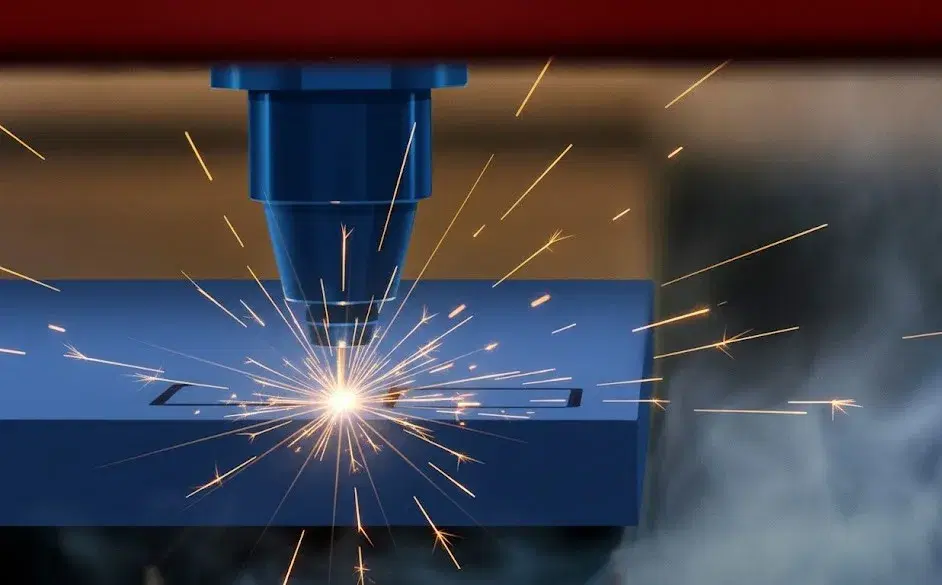
Fiber Laser
This type of laser uses rare elements such as erbium, neodymium, thulium, and holmium to produce doped fiber amplifers instead of lasing. With a near Infrared beam, fiber lasers produce a highly focused radiation to make more precise cut.
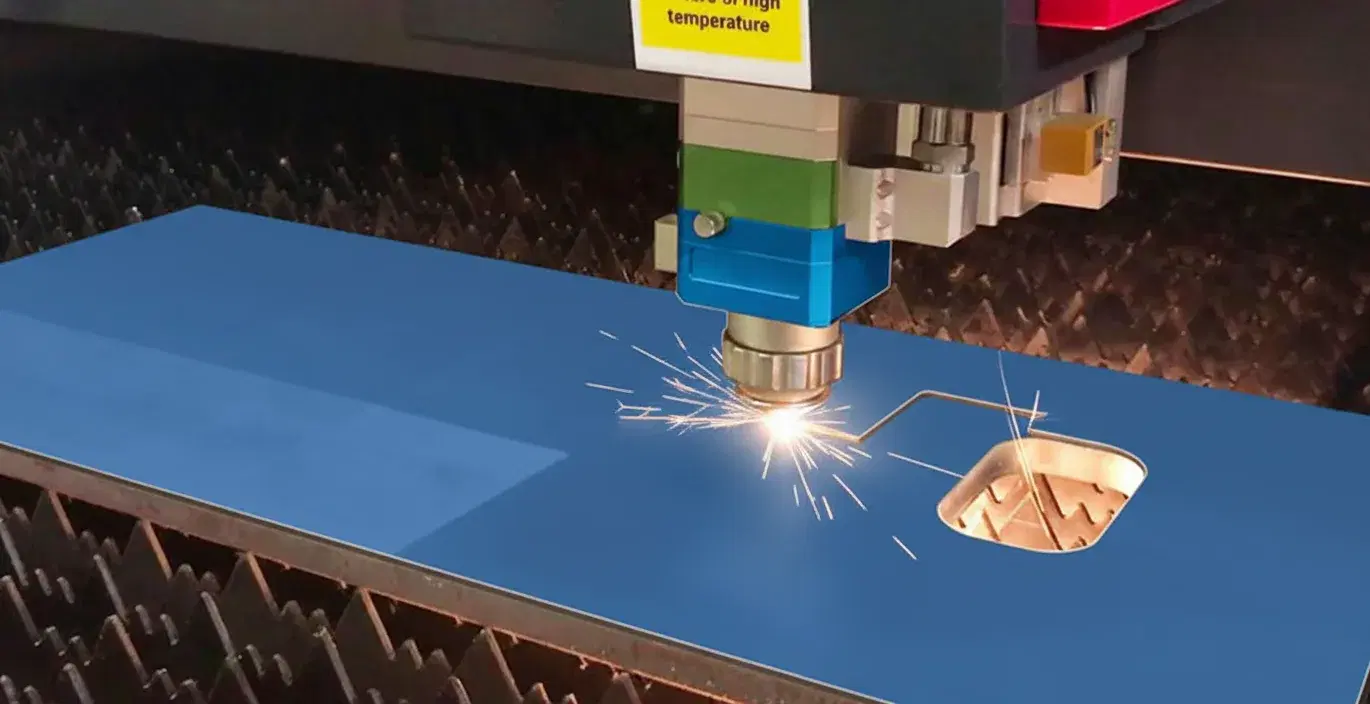
Direct Diode Laser
Direct diode laser (or simply diode lasers) are gallium arsenide (GaAs) based semiconductor junctions that produce near infrared laser beams used mainly for cutting, welding, and surface treatment. This method has more up-time than other laser machines such as CO2.
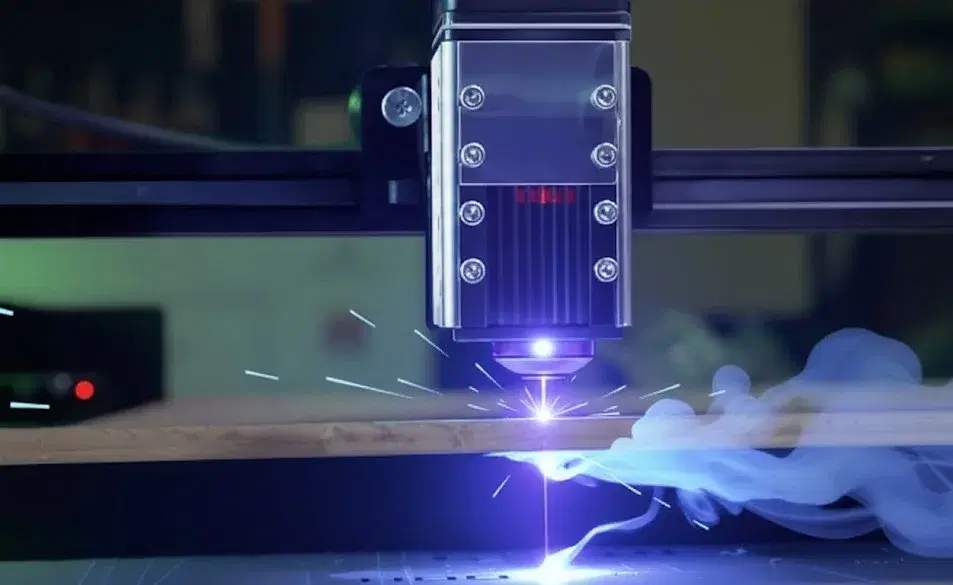
Nd:YAG
Neodymium-doped yttrium aluminium garnet, known as Nd:YAG is a laser machine that produces Infrared laser through a crystal medium. This type of laser is used in manufacturing for engraving, etching, and cutting on metal or plastic surfaces. Also, this technique is used for enhancement processes like laser peening (a surface engineering procss to increase the resistance of metals to fatigue and fretting).